Throughout history, women have wielded brushes, chisels, needles, and cameras to carve their names into the vast canvas of human creativity. They’ve battled societal restrictions, pushed boundaries, and redefined what art means—not only as a craft, but as a vehicle for change, emotion, and storytelling.
While their contributions have often been overlooked, forgotten, or dismissed, women have always been at the heart of the art world. Today, we celebrate their legacy. Not just to honor the past, but to inspire the future.
A History of Quiet Genius
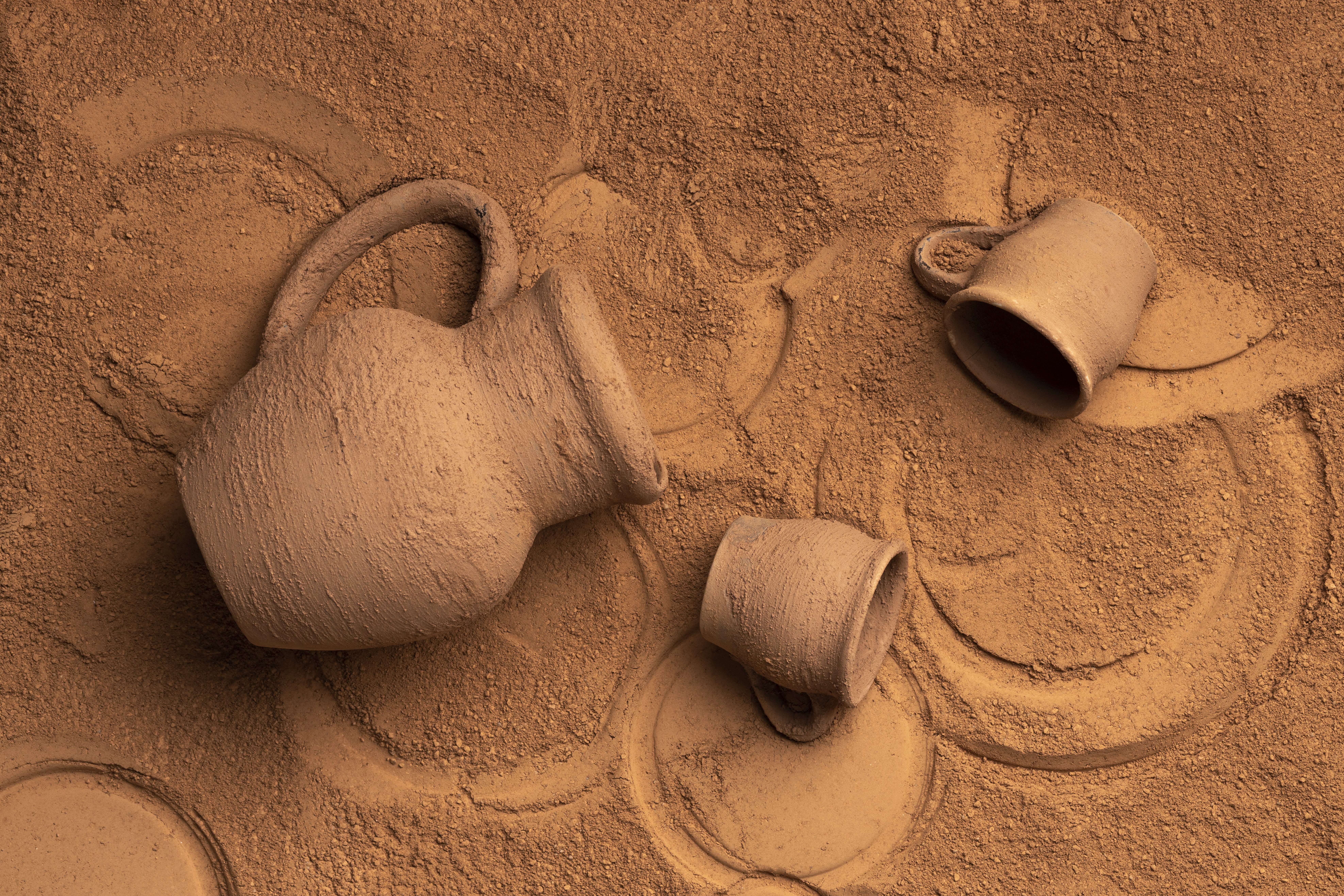
In ancient times, when art was largely preserved through oral traditions, textiles, and pottery, women were often its anonymous creators. From Neolithic cave paintings to intricate weaving and ceramics, much of what we now define as “craft” was actually art passed down and perfected by women.
Fast-forward to the Renaissance, and names like Artemisia Gentileschi begin to emerge. A Baroque master, Gentileschi painted with a fierce emotional intensity rarely seen in her time. Her work, such as Judith Slaying Holofernes, didn’t just showcase her technical skill, it shouted defiance in an age that saw women primarily as muses, not masters.
Yet for every Gentileschi, there were countless women who painted in the shadows: sisters, daughters, and wives who trained alongside male artists but signed their work under their husbands’ names. Still, they created. Still, they persevered.
Breaking Through: The 19th and 20th Century
As the world began to shift, so did the opportunities for women in art. The 19th century saw trailblazers like Mary Cassatt, an American impressionist who painted tender, intimate moments of motherhood with a sensitivity that defied the male gaze.
In Mexico, Frida Kahlo shattered expectations by turning her personal pain into vivid, surreal portraits that laid bare her soul. She was unapologetically herself, merging indigenous Mexican culture, feminism, and political expression into a singular visual language. Her art wasn’t just a reflection of her identity, it was a declaration of her right to exist, to hurt, to be seen.
And then came the 20th century: a time of upheaval, revolution, and bold artistic innovation. Georgia O’Keeffe painted the soul of the American Southwest in sweeping floral forms and desert landscapes. Yayoi Kusama turned hallucinations into immersive installations that questioned reality itself. Louise Bourgeois took sculpture into psychological territory, exploring themes of memory, trauma, and womanhood.
These artists weren’t simply making art. They were reclaiming space. They demanded to be heard, to be exhibited, to be counted.
Art as Activism
For many women artists, art is not only a form of expression—it’s a form of resistance.
Faith Ringgold told stories of African American life through vibrant story quilts, blending history, politics, and narrative. The Guerilla Girls donned gorilla masks and took to the streets (and galleries) to expose sexism and racism in the art world. Their bold, graphic posters posed questions like: “Do women have to be naked to get into the Met Museum?”
More recently, artists like Kara Walker, Shirin Neshat, and Zanele Muholi have tackled issues of race, gender, identity, and injustice head-on. They’ve proven that art isn’t just beautiful, it’s powerful. It can confront, challenge, and ultimately, change the world.
The Next Generation
Today, we are witnessing a renaissance of women in art. Social media and global connectivity have opened doors for new voices to be heard, for new visions to be seen. Young women are reclaiming artistic spaces that once shut them out and building new ones entirely.
Digital artists are using animation, VR, and AI to tell stories that cross borders and genres. Muralists are transforming public spaces with vibrant calls to action. Photographers are capturing the beauty and complexity of womanhood in all its forms…from motherhood to rebellion, from quiet reflection to loud joy.
The next Frida Kahlo or Georgia O’Keeffe might be uploading her first sketch to Instagram right now, unsure of what the world will think. And maybe, just maybe, that world is finally ready to listen.
Why It Matters
When we lift up the voices of women in art, we don’t just diversify the canvas, we enrich it. We uncover new ways of seeing, feeling, and understanding the world around us. Art made by women isn’t a subgenre. It isn’t a niche. It’s essential.
These stories, often shaped by resilience, courage, and boundless imagination, remind us that beauty is not just in the eye of the beholder, but in the spirit of the creator.
Final Thoughts
To every woman who’s ever picked up a brush, molded clay, snapped a photo, or scrawled a doodle in the margins of a notebook: your art matters. Your voice matters. And the world is better for having seen it.
Let us not just remember the women of art history, but support the women of art’s future. Let us build a world where all creators are seen, celebrated, and empowered to share their vision.
Because when women create, the world doesn’t just watch. It changes.

 Women's Artist Collective
Leave a comment