When art intersects with social justice, it transcends mere aesthetics. It becomes a conduit for change, a voice for the marginalized, and a testament to courage. Women across cultures and eras have forged paths that meld creativity with activism—from subtle assertions of identity to bold protests that demand transformation. This exploration highlights several pivotal figures and movements, rooted in accurately documented history, demonstrating how women artists have shaped and continue to shape political discourse through their work.
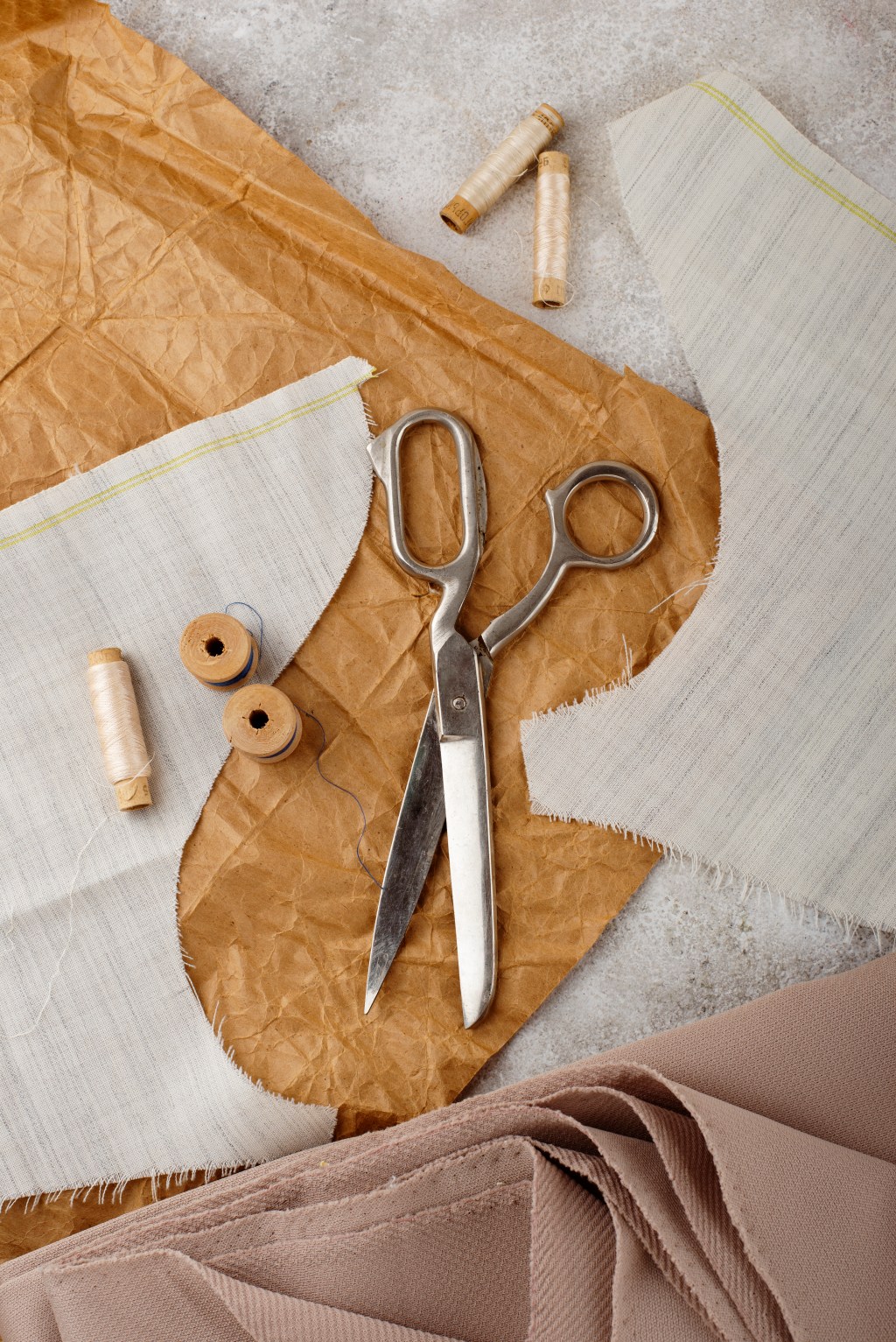
Historically, crafts like quilting and embroidery were relegated to “women’s work,” dismissed as decorative rather than meaningful art. But artists turned that narrative on its head, transforming these mediums into powerful bursts of political commentary. One pioneering artist revitalized quilting with bold graphic designs that defied the gentle, conservative aesthetic traditionally expected of women. This shift made art more accessible and radically challenged societal roles
Textile art has six centuries of gendered bias but gained revolutionary potential in political contexts. Critics have noted how restrictions on feminist or political content—such as policies from Arts Council England—reflect broader attempts to silence dissent, underlining the vital role of this medium in preserving truth and resilience.
Women in the arts have served as trailblazers in the self-expression revolution. In fact, Judy Chicago’s monumental installation The Dinner Party (1974–79) is among the most cited feminist artworks. With each place setting honoring a historical woman—mythical and real—Chicago mounted a direct challenge to male-dominated art history. She declared boldly, “I set out to change the world and to articulate the specific experiences of women”
Further forms of collective action also perseveres, like that powered by the Women Artists in Revolution (WAR) initiative. Emerging in the late 1960s and early 1970s, WAR challenged entrenched sexism and racism in the art establishment. Emerging from the broader Art Workers Coalition, they sparked a whirlwind of activism, protests, women-led galleries, and feminist publications
From the suffragette banners of Sylvia Pankhurst to the masked provocations of the Guerrilla Girls; from Faith Ringgold’s arrest for justice, to installations of survivor dresses and cinematic critiques of racial and gendered erasure—women have consistently demonstrated that artistic expression can be an act of political courage.
Their work invites us to reconsider who gets to be seen, whose stories are told, and how beauty can become an instrument of resistance. As history and recent developments show, the convergence of art and activism by women is not only essential—it is transformative.
Let their legacy inspire us to recognize that every brushstroke, stitch, or lens may be a step toward justice.

 Women's Artist Collective
Leave a comment