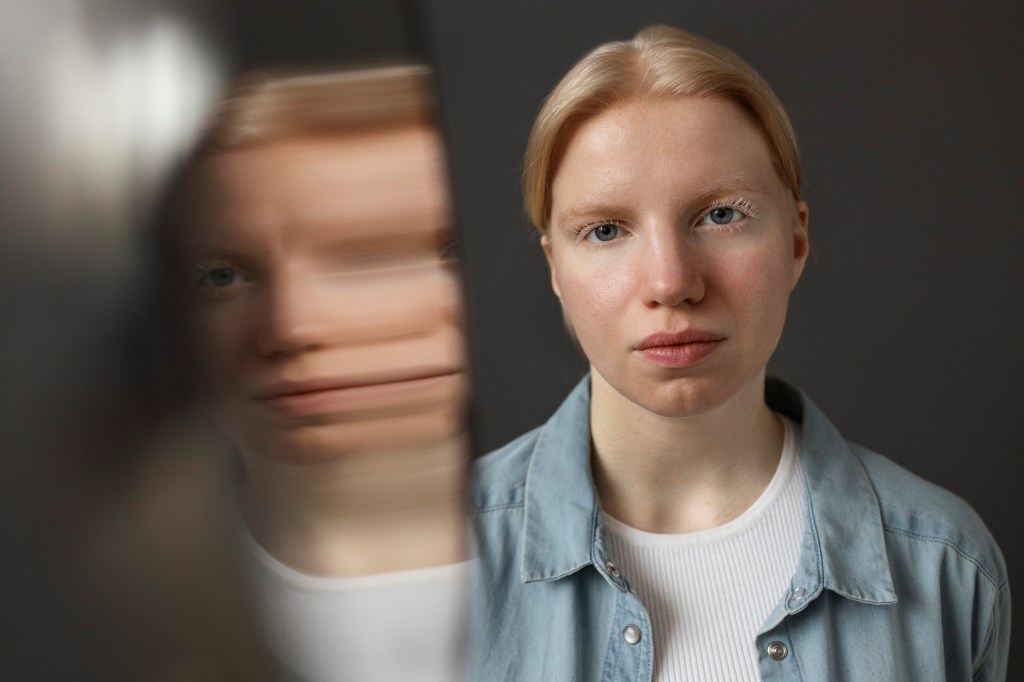
“I’m not a real artist.”
“This piece isn’t good enough.”
“Someone’s going to find out I have no idea what I’m doing.”
Sound familiar? That’s imposter syndrome, and it’s more common in the art world than most people admit — especially for women and other historically marginalized creatives. In a space that often feels elite, competitive, and underfunded, feeling like you don’t belong can creep in fast.
But here’s the truth: imposter syndrome is a lie. Let’s talk about how to fight back.
1. Recognize It for What It Is
Imposter syndrome isn’t a reflection of your actual skill or worth. It’s a mental distortion — often rooted in perfectionism, trauma, or internalized societal messages.
“I didn’t go to art school, so I felt like a fraud for years. But no one can gatekeep creativity.” – Tania R., painter
2. Reframe What “Success” Looks Like
You don’t need a solo show in Chelsea or a 5-figure sale to be legitimate. If you’re making art — and showing up for your practice — you’re already doing the thing.
3. Create a “Proof of Worth” Folder
Start a digital or physical folder with:
- Kind feedback from buyers or followers
- Exhibitions, press, or wins (no matter how small)
- A list of work you’re proud of
Look at it when doubt shows up.
4. Talk About It
Chances are, artists you admire feel it too. Sharing your fears with trusted peers can instantly dismantle their power.
5. Keep Making Anyway
The best cure for imposter syndrome? Action. Keep creating. Keep growing. Let your work speak louder than your fear.
Closing Note
You belong in the art world — not despite your self-doubt, but because you care enough to feel it. Keep going. You’re not an imposter. You’re an artist.

 Women's Artist Collective
Leave a comment