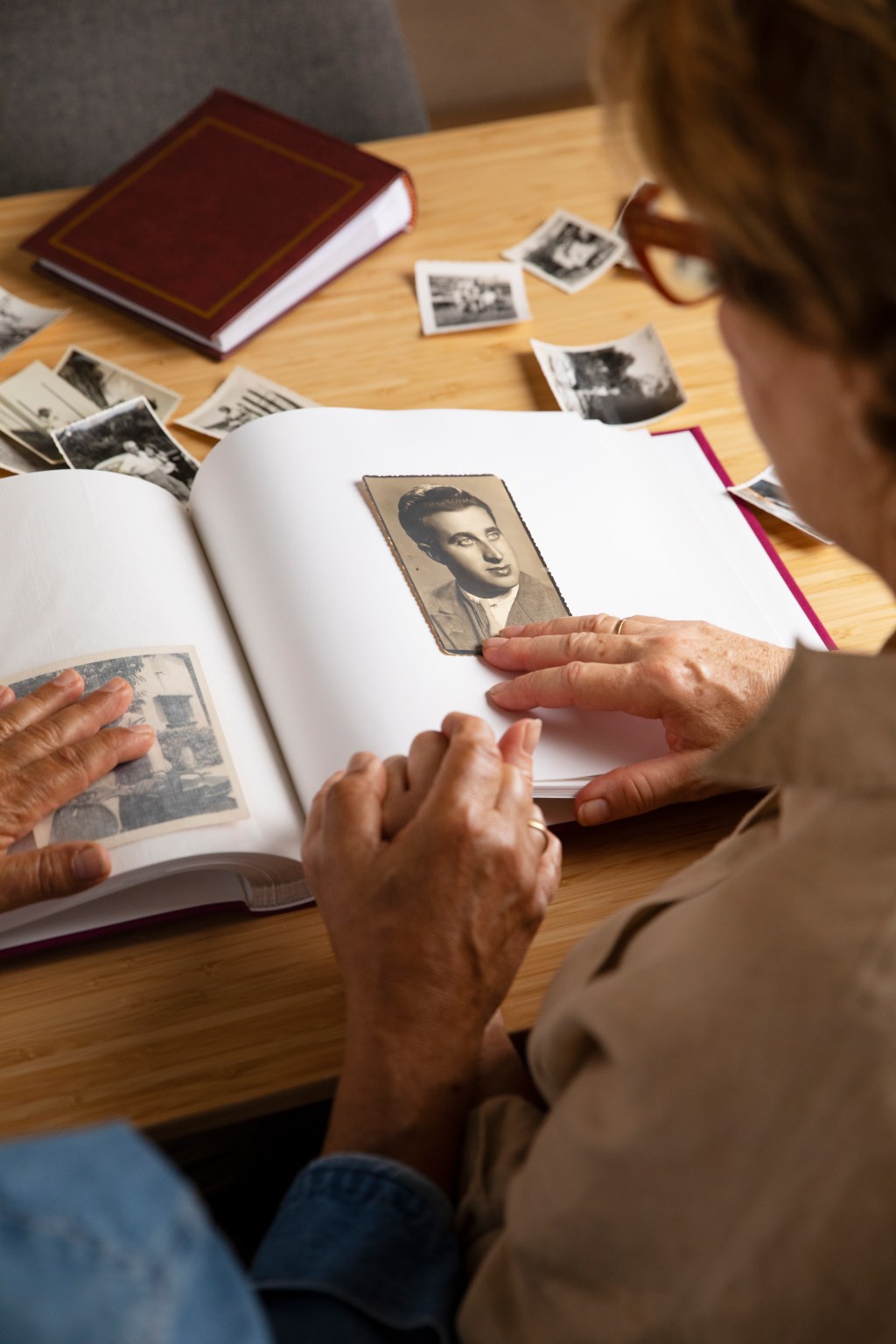
Art is often described as an act of remembrance — of people, places, identities, even things we barely remember. For many women artists, a rich and deeply evocative source of material lies in personal or familial archives: photographs, letters, objects, heirlooms, stories passed along from one generation to the next. In this post we’ll explore how you can bring archive‑material and memory into your practice, why it can be particularly powerful for women artists, some pitfalls and ethical questions, and practical ways to get started today.
Why this resonates for female-identifying artists:
Many women grow up in families where memory‑work (caregiving, preserving stories, maintaining objects) has been a behind‑the‑scenes labour. When that work becomes part of the art practice, it gives shape to voices, histories, and relationships that typically haven’t been centre stage in the art world. By working with archives you can:
- reclaim or foreground overlooked lives (mothers, grandmothers, immigrant or diasporic relatives)
- navigate identity, belonging and lineage from a personal place rather than an imposed narrative
- create deeply layered work that mixes representation + abstraction + history
- use everyday objects (photo albums, textiles, diaries) to mediate big themes like memory, loss, migration, change
Case‑studies & inspiration:
- An artist might take her grandmother’s letters (in a language she no longer fully understands) and respond to the gaps in translation — creating a piece that shows text fragments, erasures, embroidery of missing words, or photographic overlays of handwriting.
- Another might use found family‑snapshots from an immigrant relative, project them onto textile surfaces, fragment them, stitch them into new shapes, and thereby reflect on “arrival”, “passing down”, “becoming foreign”, “becoming home”.
- Or a contemporary artist might ask: “What objects did my mother keep? What did she discard?” and build an installation around the idea of care and throw‑away, maternal labour and invisibility.
Practical steps to start your own archive‑based work:
- Dig into your archive
- Browse through family photo albums, boxes of slides, letters, postcards, garments, heirlooms, passports, diaries.
- Take notes or photographs of items that stir curiosity, confusion, or emotion.
- Ask: Why was this kept? Where did it come from? What is missing? What was lost?
- Ask the questions
- Who in my family or lineage is invisible in the archive?
- What language is used (or not used) in those documents? Are there things untranslated? Unsaid?
- What objects were normalised (and thus invisible) in my upbringing? What would look strange to an outsider?
- How does migration, uprooting, silence, or repetition figure into what I found?
- Choose your medium
- You might photograph items, scan them, print them, collage them.
- You might stitch or embroider over images.
- You might use projection, layering, or fragmenting the pieces.
- Consider combining analog + digital methods (e.g., scanning old photos → digital glitch work → printed on fabric).
- Design the structure of your piece
- Decide if the work will be narrative (telling a story) or open‑ended (inviting questions).
- Think about what you will keep visible vs what you will obscure.
- Consider the viewer’s relationship: Is the archive wholly revealed? Partially hidden? Repurposed? Disrupted?
- Reflect on ethics & consent
- Especially when working with family stories or immigrant pasts, consider the privacy of other people. Do you have permission to use images or letters?
- How might your reinterpretation of someone else’s story affect how they feel, how they are seen?
- If the archive involves trauma, how do you hold that responsibly in your art—without exploiting it?
- Give yourself the grace to pause: Sometimes archives hide pain; you don’t need to mine everything.
- Exhibition & audience strategies
- Use labels or wall‑text that invite viewers to ask: “What is missing here?”
- You may choose to show the “raw archive” alongside your intervention (e.g., the original photo + your altered version).
- Think about interactivity: Could you invite visitors to bring their own photos/objects to a communal wall?
- Partner with your collective (Women’s Artist Collective) for a themed show like “Family Archives Re‑Imagined” where multiple women artists bring archive‑based work.
Why this matters now:
In an era of rapid digital disappearance (old floppy disks, home slides, fading documents), the archive acquires urgency. Women artists who delve into this terrain not only retrieve personal stories but contribute to collective memory: of migration, of caregiving, of female labour, of identity shifts. The visual arts are strengthened when they include these layered histories, when the personal becomes public in generative ways.
This week: take one object/photo/document, study it for 10 minutes, ask two questions about it (e.g., “why was this kept?”; “who is missing from this image?”), then sketch or write one idea for how you might translate it into your art‑practice. Bring that idea to your next studio session or collective meeting. Let it ferment.
Then bring it to life.

 Women's Artist Collective
Leave a comment