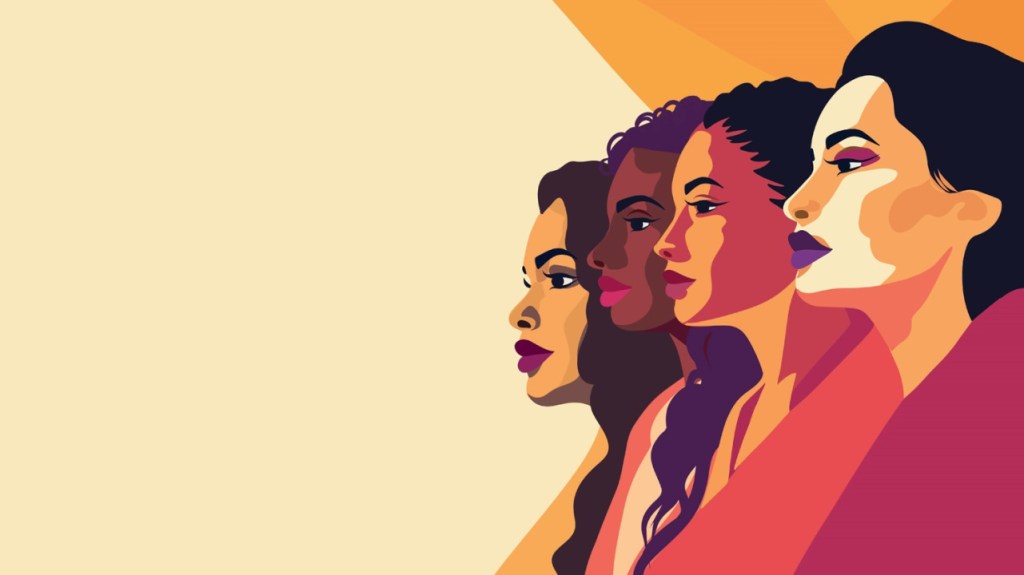
In a world where artists can connect instantly online, apply to global exhibitions with a click, and build audiences through social media, you might ask: Do we still need artist collectives?
The answer is yes. Perhaps now more than ever.
Women-led artist collectives continue to serve as vital spaces for visibility, collaboration, advocacy, and mutual support. They are not relics of a past movement—they are living ecosystems that evolve alongside the artists within them.
A Brief History of Collective Power
Women artists have long formed collectives in response to exclusion from traditional institutions. In the 1970s and 80s, groups like Guerrilla Girls publicly challenged museum inequity and market bias through bold, data-driven activism. Feminist art spaces such as Dirt Palace created alternative environments where experimentation could thrive outside commercial pressure.
These groups didn’t just protest — they built infrastructure.
They created exhibition opportunities, critique networks, shared studios, and conversations that redefined what art could be and who it was for.
That legacy continues.
The Reality in 2026
Despite progress, gender disparities in the art world persist. Women artists are still underrepresented in major museum collections and high-value auction sales. Leadership roles in large institutions remain uneven. Visibility can feel sporadic rather than systemic.
At the same time, the landscape has shifted:
- More women are founding galleries and curating exhibitions.
- Online platforms allow artists to self-publish and self-organize.
- Collaborative grant applications and shared studio models are increasing.
Collectives now operate both physically and digitally. They are local and global at once.
And they remain essential.
What Collectives Offer That Algorithms Cannot
While social media can amplify work, it cannot replace the depth of sustained community. Women-led collectives provide:
1. Critical Dialogue
Constructive critique in a trusted space fosters growth that quick “likes” never will.
2. Shared Resources
From exhibition venues to grant opportunities to marketing strategies, pooling knowledge reduces isolation and accelerates opportunity.
3. Emotional Sustainability
Art-making is vulnerable work. Collective environments normalize doubt, celebrate milestones, and provide accountability.
4. Advocacy and Visibility
Collectives can amplify voices more powerfully together than individually. Group exhibitions, shared press outreach, and collaborative programming expand reach.
Beyond Exhibitions: Evolving Models
Today’s collectives are multidimensional. They may include:
- Hybrid online critique circles
- Rotating curatorial projects
- Pop-up exhibitions in nontraditional spaces
- Interdisciplinary collaborations
- Public programming and workshops
Some collectives focus on social justice. Others center on mentorship. Many balance professional development with creative exploration.
The common thread is intentional community.
Why It Still Matters
Art does not develop in isolation. It grows in conversation.
Women-led collectives challenge the myth of the solitary genius and replace it with a model of shared authorship, shared support, and shared ambition. They remind us that creative ecosystems are stronger when built collaboratively.
In a time of rapid technological change and economic uncertainty, collective models offer stability. They provide not only opportunity but belonging.
And belonging fuels bold work.
Looking Forward
As we move further into 2026, women-led artist collectives are not simply responding to inequity — they are shaping the future of cultural production.
They are:
- Expanding what representation looks like
- Supporting artists across life stages and disciplines
- Reimagining exhibition spaces
- Creating leadership pathways
The question is no longer whether collectives are necessary.
The question is how we will continue evolving them.
An Invitation
If you are a woman artist seeking connection, critique, collaboration, or courage — consider engaging more deeply with a collective. Share your work. Start a dialogue. Attend an exhibition. Host a gathering.
Community is not accidental. It is built.
And when women build together, the impact extends far beyond the studio.

 Women's Artist Collective
Leave a comment